


Nota: Questo articolo è stato prodotto per i lettori inglesi.
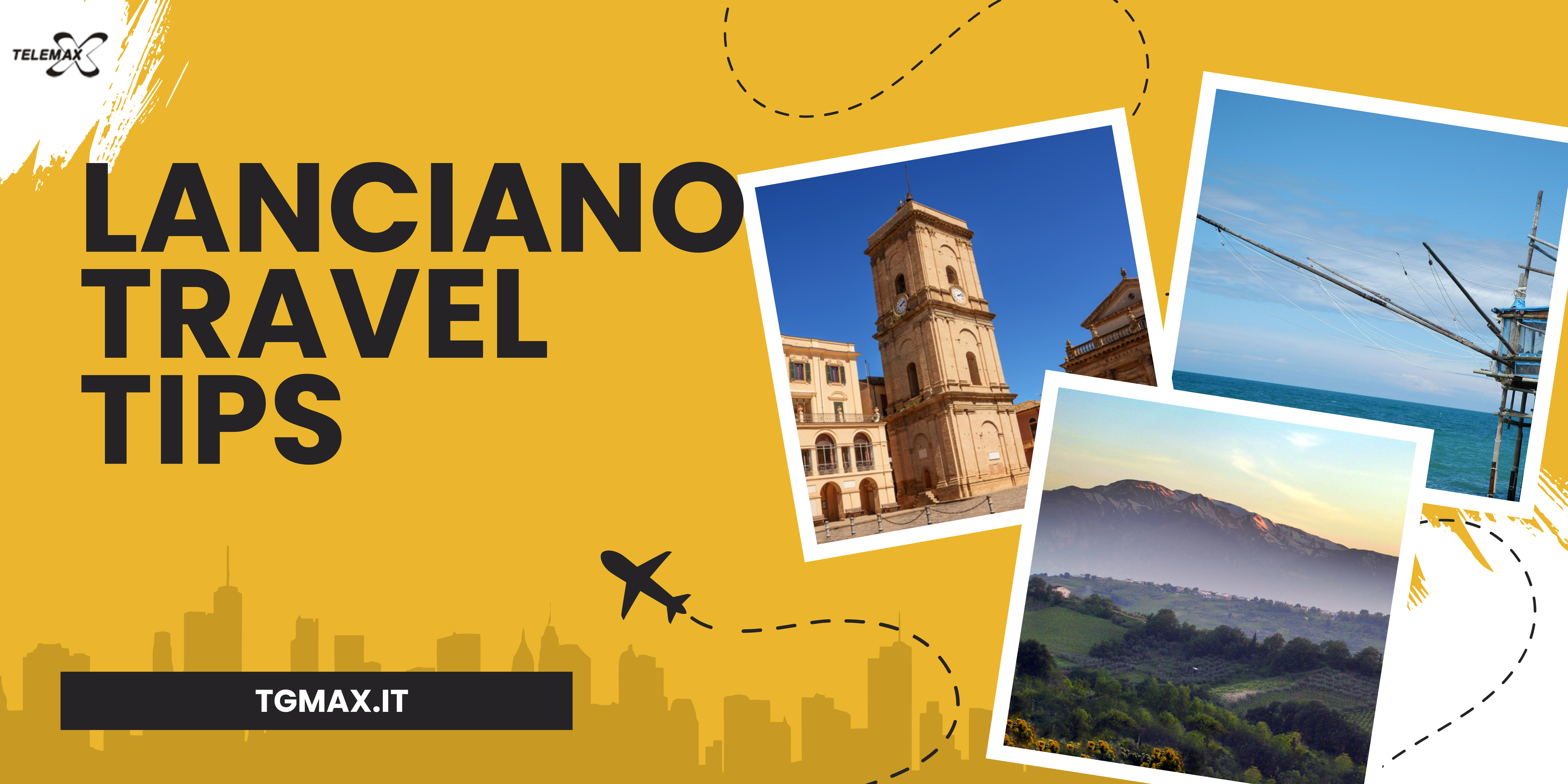
Lanciano is a charming town in the province of Chieti, in the region of Abruzzo, Italy. It is famous for its religious heritage, its medieval center, and its gastronomic delights. Whether you are looking for history, culture, or cuisine, Lanciano has something for everyone.


What to see and do in Lanciano
- Visit the Church of San Francesco, where you can admire the relics of the first recorded Eucharistic miracle, when a priest witnessed the transformation of bread and wine into flesh and blood during a mass in the 8th century. You can also see the 15th-century statue of the Madonna del Ponte, the patron saint of the town.

- Explore the four historic districts of Lanciano, each named after a different profession: Civitanova, the oldest and highest part, where the nobles lived; Sacca, the commercial and artisan area; Lancianovecchia, the religious and cultural center; and Borgo, the newest and most populous quarter. You can admire the narrow streets, the elegant palaces, and the ancient churches that reflect the town’s history and identity.
- Marvel at the Cathedral of Santa Maria del Ponte, built on the site of a Roman bridge, and the Diocesan Museum, which houses a rich collection of paintings, sculptures, and sacred objects. You can also visit the Archaeological Museum, which displays artifacts from the prehistoric, Roman, and medieval periods.
- Indulge in Lanciano’s gastronomic treasures, such as arrosticini, succulent grilled lamb skewers, or brodetto alla Lancianese, a seafood stew with a local twist. Don’t miss sampling maccheroni alla chitarra, a pasta dish that embodies Lanciano’s culinary tradition. This pasta is made with a special tool called a chitarra, a wooden frame with metal strings, which gives it a square shape and a rough texture. The pasta is usually served with a tomato-based sauce, enriched with meatballs, pork, or lamb.
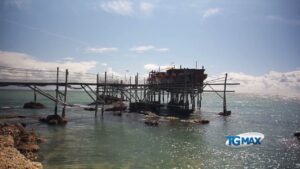
- Enjoy the natural beauty of Lanciano’s surroundings, which offer a variety of landscapes and activities. You can relax on the Trabocchi Coast, home of the most beautiful beaches in Abruzzo, where you can swim, sunbathe, or admire the traditional wooden fishing huts called trabocchi. You can also hike, bike, or ski in the Majella National Park, where you can discover the rich flora and fauna of the mountains, as well as the picturesque villages and waterfalls.
Travel tips for Lanciano
- Before you travel to Lanciano, make sure you have the following information and documents:
- Important Numbers: In case of emergencies, dial 112 for immediate assistance. The Carabinieri can be reached at 113, and medical emergencies are addressed by dialing 118. For tourist inquiries, the Tourist Information Office can be contacted at +39 0872 710940.
- Personal ID: Always carry identification; a photocopy of your passport’s data page should suffice, though a second photo ID may be requested. If stopped by authorities, full passport presentation might be required.
- Medication: According to the Ministry of Health, foreigners entering Italy are allowed to bring personal medications for a period of 30 days, but it is recommended that travelers also bring a copy of their prescription with them. Travelers should not bring excess supplies of prescription drugs into the country and cannot bring prescription drugs for other people.
- When you are in Lanciano, follow these tips to make the most of your stay:
- Public Transport: Validate tickets before commencing any journey on public transport to avoid on-the-spot fines ranging from 100 to 500 euros. Immediate payment reduces fines to 50 euros.
- Tourist Tax: Certain cities impose a tourist tax payable at hotels, typically not included in pre-paid arrangements. Payment in cash is common, and obtaining a receipt is advisable.
- Public Offenses: Specific laws in some Italian towns and cities may incur fines for actions like littering, sitting on monument steps, or eating near main churches and historic sites. Bathing or urinating in public fountains also leads to hefty fines.
- Preservation Laws: Collecting sand, shells, or pebbles from coastal areas is illegal and may result in substantial fines. Similarly, gathering specific flora in mountainous regions is forbidden. Verify local regulations with regional authorities or consult a lawyer in in doubt.
- Cultural Etiquette: Respect the local customs and traditions, by dressing modestly when visiting religious sites and offering a small tip for exceptional service, although tipping is not mandatory. Engage with the locals, who are friendly and hospitable, and try to speak some Italian, though many in tourist hubs comprehend basic English.
- Climate: Lanciano has a Mediterranean climate, with hot and dry summers and mild and rainy winters. The average temperature in July is 24°C, but it can reach up to 40°C on some days. The average temperature in January is 7°C, but it can drop below zero at night. The best time to visit Lanciano is from April to June or from September to October, when the weather is pleasant and the crowds are fewer.
- Sun Protection and Allergy Relief: Sun lotion and antihistamines are useful items to bring when traveling to Lanciano, especially in the summer months when the sun is strong and the pollen is high. These products may cost more in Italy than in your home country, so it is advisable to bring them with you.
Disclaimer: The information contained in this travel guide is for general guidance and reference purposes only. While we have made every effort to ensure the accuracy and reliability of the information, we do not guarantee or warrant that it is complete, correct, or up to date. The information may be subject to change without notice, and may not reflect the current situation or conditions of the destination. The information is provided “as is” and “as available”, without any express or implied warranties of any kind. The use of the information is at your own risk and discretion. We are not liable for any loss, damage, injury, or inconvenience arising from or in connection with the use of the information. The information does not constitute or replace legal advice, and you should consult a qualified lawyer before taking any action based on the information. By using this travel guide, you agree to these terms and conditions.
